


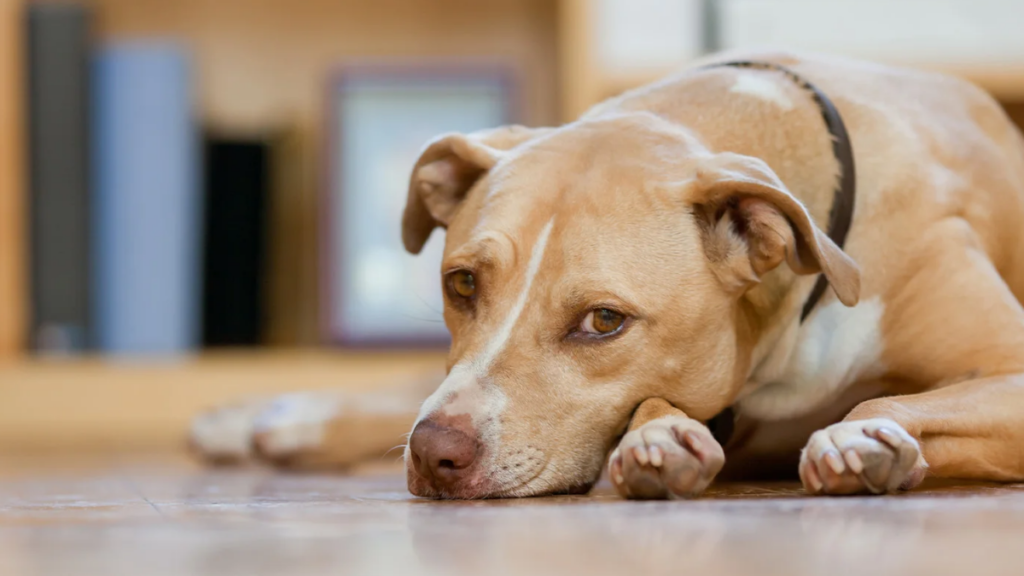
Just like us, dogs can experience tummy & digestive health issues that leave them feeling less than their best.
From mild gas and bloating to more serious problems like vomiting or diarrhoea, tummy troubles can affect any dog at any time, and as pet owners it can be really distressing.
Dogs have two key defense barriers: the gut and the skin barrier. Both of which are important for ensuring their bodies remain healthy, happy, and in optimal condition.
These two systems are linked and work better when there’s a good balance of helpful microorganisms. Collectively known as the microbiome.
The microbiome is responsible for breaking down food, supporting the immune system, and absorbing nutrients. The skin barrier helps protect against environmental threats like allergens and pathogens.
Let’s explore common tummy and digestive health issues in dogs, the vital role of the gut microbiome, and the important connection between gut health and immunity.


Skin and digestive conditions account for more than half of all veterinary visits annually.
A study done by Banfield Pet Hospital (the leading provider of preventive veterinary care in the U.S) showed that 61% of dogs had some health issue. Among those, 57% were affected by digestive problems.
Dogs often experience digestive troubles, but the good news is that you can easily spot the signs and take quick action to keep things from getting worse.
What causes vomiting in dogs?
Nothing says ‘pet parent panic’ like watching your fur baby start to retch.
Vomiting happens when dogs forcefully bring up food or liquids from their stomach. It can be triggered by something as simple as gobbling up food too fast or from something more serious.
The more common causes include:
- Eating something they shouldn’t – such as sneaking scraps off the table, eating spoiled food, garbage, bones or non-food goodies such as toys.
- Food Allergies or Sensitivities – Certain ingredients can trigger a reaction causing your doggo to vomit.
- Parasites – Intestinal parasites, like roundworms or giardia, often cause vomiting.
- Bacterial/viral infections, or catching a bug.
- Many dogs experience nausea and vomiting from car rides or other motion.
- Overheating or heat stroke can cause vomiting.
- More serious digestive issues, such as pancreatitis, kidney or liver disease or digesting something toxic such as poisonous plants or your favorite chocolates. All of these conditions require a vet’s attention.
It’s helpful to know the difference between a one-off vomit and something more frequent.
What to Do to Help a Vomiting Dog
- If the vomiting continues for more than one day, contains blood, or if you think your dog may have ingested something toxic, seek veterinary care immediately.
- If your dog vomits once, it’s usually not an emergency. You can withhold food for a few hours and offer a good quality probiotic supplement. These include Nutriflex Digestimax Probiotic, ProbiVet or Protexin.
- Feed a bland diet, like boiled chicken and rice, in small amounts once the vomiting has stopped.
- Fresh water should be given in small sips. An excellent way to provide fresh water for your doggo throughout the day is with a drinking fountain.
- Once your dog can eat and drink without vomiting for 24 hours, gradually reintroduce their regular food. Do this over a day or two.
- For dogs that treat mealtime like it’s an Olympic sport, using a slow feeder bowl can be beneficial. Slowing eating down by up to 10 times, these dog bowls ensure the guzzlers eat at a healthier pace. This helps reduce the risk of digestive problems such as choking, vomiting, or bloating.
TIP Avoid feeding your dog their usual food while they’re recovering, as they might start to associate it with feeling unwell. This can make them a bit picky about eating it later on.
What Causes Diarrhoea in Dogs?
Diarrhoea/upset tummy is a common reason dogs visit the vet. While not a disease itself, it could be a sign of an underlying issue. It occurs when food moves too quickly through the digestive system, limiting nutrient and water absorption.
Diarrhoea in dogs can be triggered by a few things:
- Suddenly switching their food can mess with their digestive system. Gradual transitions work best.
- Just like us, pets can be sensitive to certain ingredients which can trigger an upset tummy.
- Eating Something They Shouldn’t – Garbage, table scraps, even certain plants – curious noses can lead to upset stomachs.
- Parasites – Things like worms or giardia are sneaky tummy upset culprits.
- Bacteria and viruses (like parvo) can cause serious bouts of diarrhoea.
- Stress. This can be from moving, new pets or family members, or changes in routine can affect sensitive tummies.
- Medications or Vaccines – Sometimes meds can be a bit “ruff” on digestion.
- Underlying Health Issues – Conditions like kidney disease or inflammatory bowel disease (IBD) can also lead to diarrhoea.
- Gobbling down meals too quickly can bring on tummy trouble.
Fortunately, most of these issues usually clear up with a bland diet and some fresh water.
Chronic diarrhoea, food intolerances, bacterial and viral infections and the more serious health issues can stick around longer and its important to reach out to your vet as soon as possible.
How to Treat a Dog’s Upset Tummy
- Keep a tube of Diomec Paste and/or Pro-Kolin handy, because when nature calls, your dog answers—no matter where they are. These pastes contain beneficial microorganisms that are naturally found in a healthy tummy. They also help bind the stool to normalise the consistency and help heal the intestinal lining.
- Temporarily withholding food and treats for 12-24 hours can give your dog’s digestive system a chance to rest and reboot. Always ensure they have access to fresh water to stay hydrated.
- Give your dog prebiotics & probiotics, and recovery support. These products replenish lost nutrients and electrolytes, ensuring your pet gets the stomach support they need during and after tummy upsets. They also help restore essential fluids and nutrients, allowing them to bounce back quicker.
- Putting your dog on a digestion-friendly diet can help alleviate gastrointestinal issues. They provide easily digestible ingredients that promote tummy health and reduce discomfort.
In these more serious digestive cases, a special diet is often needed, helping to restore your pup’s nutrition and get their tummy back on track.
The Royal Canin Gastrointestinal Range is designed to support dogs with trickier digestive issues. This range of veterinary food contains easily digestible ingredients that are gentle on the stomach.
The special blend of fibre and prebiotics helps restore the healthy bacteria in your dog’s gut . It also includes added electrolytes to replenish nutrients lost due to vomiting or diarrhoea.


What Causes Bad gas in Dogs?
Dog farting can be a smelly part of pet parenthood, but it’s usually harmless and is a normal biological function.
If your dog often has smelly gas or belly gurgling, it may be a sign of an underlying problem. If the gas is accompanied by vomiting, diarrhoea, weight loss, or a decreased appetite, consult your veterinarian.
- Low-quality foods or those with too much fiber can lead to extra gas.
- Gulping down food means swallowing extra air, which can bubble up later.
- Just like us, some pets just can’t handle certain ingredients, like dairy or grains.
- Human food and sneaky table scraps often have ingredients that don’t sit well with your doggo’s digestive system.
- Underlying Health issues like pancreatic problems or malabsorption can lead to more gas.
- Foods that have a high-fat content or too much fat can be tough on digestion and lead to stinky farts.
What to do to stop a dog’s gas?
- Promote an active lifestyle for your dog – this all starts with the right gear
- For dogs that eat too quickly, a slow feeder bowl can be beneficial. This reduces the amount of air they swallow, which may decrease gas production
- Offer smaller, more frequent meals
- Feed in a calm, quiet space to reduce competition during mealtime
- Ensure your dog’s diet is highly digestible — consider a digestive care food
- Limit treats to those specifically made for dogs and low in fibre
- Gradually introduce new protein and carbohydrate sources with your vet’s guidance to avoid digestive upset

What Causes Vonstipation in Dogs?
Dog constipation is fairly common and usually shows up as your pup having a tough time passing stool or not being as regular as they should be.

How to help a Constipated Dog
- Laxapet is a friendly helper. This tasty gel lubricant helps to relieve constipation in dogs, promoting easier and more comfortable bowel movements. (Its great for treating hairballs in the feline-family too)
- Regular walks and playtime can stimulate your dog’s digestive system, helping to relieve constipation – this all starts with the right toys and gear
- Hydration is key! Increase their water intake to help get that poop moving. Ensure your doggo has access to fresh water at all times. A drinking fountain is a great way to keep their water fresh and encourage them to drink more.
- If your dog eats dry kibble, consider mixing in a bit of wet dog food or transitioning to a high-quality, highly digestible diet – consider a digestive care food
Prebiotics vs. Probiotics: What’s the Difference?
Prebiotics and probiotics for dogs team up to keep their gut microbiome happy and healthy, playing a vital role in their overall well-being.
Prebiotics serve as food for the beneficial bacteria, while probiotics are the live bacteria themselves that help enhance digestive health.
Probiotics are good bacteria that help with digestion, protect against harmful germs, and strengthen the immune system. These friendly bacteria are just as important for dogs as they are for humans.
FACT Dogs have ten times more microbial cells than humans. A large part of a dog’s immune system is in the gut (70%), so keeping it healthy is vital for overall well-being. A well-functioning gut helps dogs resist illness, fight off infections, and maintain a healthy weight.
Prebiotics serve as nourishment for probiotics.
These water-soluble fibres pass through the small intestine undigested, reaching the colon where they nourish beneficial bacteria. When combined, prebiotics and probiotics work together to maintain a healthy balance of gut flora. Some probiotic supplements even include prebiotics to enhance their effectiveness and give your pet that extra boost.
Can Stress Affect a Dog’s Tummy?
Stress can really take a toll on your pet’s digestive health, leading to a range of tummy-troubles.
Some common causes of stress in pets are:
- Dogs love consistency and routine, so a change in feeding or walking times can throw them off a bit.
- Moving to a new home or even a quick visit to the vet, can be overwhelming.
- Loud Noises such as thunderstorms, fireworks, and even vacuum cleaners can be pretty scary for some doggos.
- A new pet, family member or unfamiliar guest might make them feel territorial or a bit unsure.
- Separation Anxiety, like being left alone, especially for longer periods than usual, can cause stress.
- Lack of Mental Stimulation – Pets can get bored if they don’t have toys or activities, leading to frustration.
Long-term stress can even cause chronic conditions such as IBD or IBS. Both are linked to lasting inflammation and the microbial mayhem happening in the gut.
How to Treat a Dog’s Stress & Anxiety
- Create a safe space for your fur-baby. Set up a cosy area where your dog can retreat when feeling anxious. This space should have their favorite toys, blankets, and a comfortable bed.
- From collars and pheromone diffusers to chews and drops, consider stress & anxiety treatments for your dog.

Putting your dog’s gut and digestive health first is essential for keeping them healthy, active, and happy.
A well-functioning digestive system is crucial for their immune defense, nutrient absorption, and even their mood.
You can help your furry friend thrive by offering balanced nutrition, digestive care products, reducing stress, and watching for any signs of gut issues.