


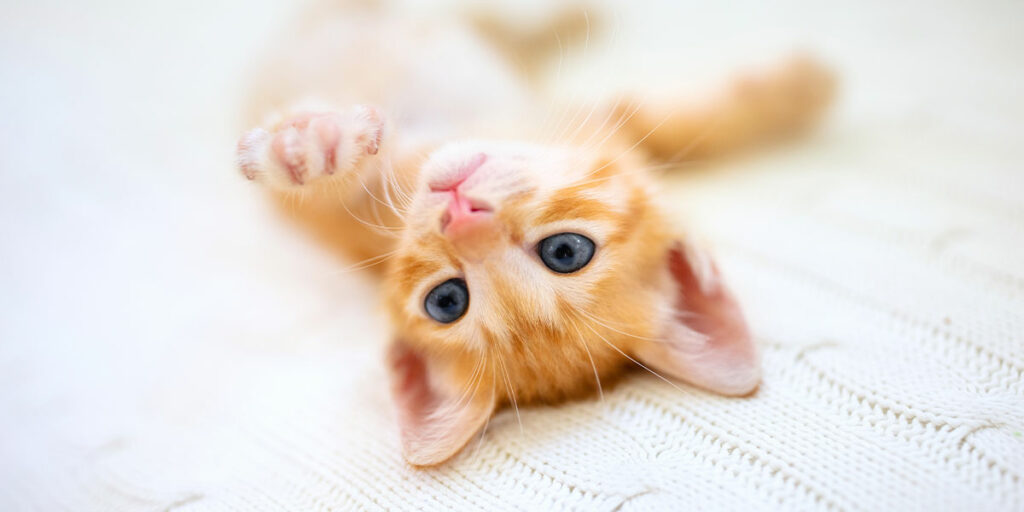
The key to keeping your new kitten healthy is knowing the most common medical ailments. The first step is finding a veterinarian you trust.
HOW TO CHOOSE A VET
Choosing a vet is really selecting a partner to help keep your kitten healthy.
Scheduled vaccinations and yearly examinations mean you’ll see them on a regular basis. So do choose wisely.
Use our list as a basis for picking the right veterinary clinic for your cat:
- Get recommendations from friends, co-workers and other cat owners. Ask them what they like about each one.
- Visit each clinic, introduce yourself as a potential client and ask for a tour.
- Look for a clean, sterile hospital with up-to-date equipment.
- Ask about the emergency care, hours and any equipment / terms you don’t understand.
- Ask what the fees are for basic shots and exams.
SPAYING AND NEUTERING
Owners should have their cats spayed / neutered; unless they plan to show or breed them. Consider the following:
- “Fixing” is the euphemism for feline surgical sterilization or male neutering.
- In females, it’s called spaying or ovario-hysterectomy, which involves removal of the uterus and ovaries.
- In males, removal of the testicles is called neutering or castration.
- Veterinarians advise spaying or neutering by at least 6 months of age.
WHY SPAY OR NEUTER?
Each year, millions of cats are put to sleep because the new cat population far exceeds the number of homes that can be found for them. Note the following advantages of spaying and neutering:
SPAYING:
- Eliminates behaviour associated with heat cycles, such as wailing to attract males or spraying urine.
- Helps prevent potential health problems, including breast tumours and uterine disease, possibly adding years to your cat’s life.
NEUTERING:
- Reduces the effects of puberty and hormones. A neutered male is less likely to mark territory by spraying urine and less apt to roam and get lost, and he won’t congregate or fight with other toms over a female in heat.
SPAYING / NEUTERING:
- Spaying or neutering helps prevent the occurrence of unwanted litters.
COMMON CAT AILMENTS
Use our guide to some of the most common medical ailments that can affect your kitten. The more you know, the better you’ll be able to notice when your kitten isn’t feeling well.
FLEAS
These pinhead-size insects jump from your cat to furniture to you, looking for blood.
Fleas are most common in warm weather (spring and summer).
They can transmit parasitic or infectious diseases, including tapeworms.
Flea infestation may in turn cause anaemia (low red blood cell count) and/or allergic dermatitis, a skin allergy characterized by itching and irritation.
Though some cats become irritable and scratch, others have no visible signs of discomfort.
FLEA PREVENTION AND TREAMENT TO HELP KEEP YOUR KITTEN HEALTHY
FLEA COLLARS and certain TOP SPOTS are available as monthly preventative treatments.
Remember that dog treatments should NEVER be used on cats unless otherwise indicated by the manufacturer.
Check your cat weekly by rolling her onto her back and looking closely at the belly; and around the base of the tail for the small, dark insects as well as for flea “dirt” – small, dark, pepper-like specks. If the dirt turns red when water is added, you’re cats got fleas.
Treat your HOUSE for eggs, larvae and pupae.
GREEN TIP: Plant marigolds and chrysanthemums in your yard, which contain natural insecticides that may repel fleas.
CAT HAIRBALLS
Hairballs are tube-shaped brown masses of hair. When cats clean themselves, they ingest fur.
Because hair isn’t digestible, it either passes through the intestinal tract and ends up in the litter box or is expelled by vomiting.
Cats who pass hairballs more than once a week; or who pass foul-smelling hairballs may have a serious underlying health problem. See your veterinarian.
HAIRBALL PREVENTION AND TREATMENT
To help prevent your cat from recurring hairballs, here are some helpful tips:
- Keep your cat well groomed with regular brushing.
- Brush all your cats, not just the ones with hairballs, because cats often groom each other.
- Try this easy home remedy. Apply 1 teaspoon of petroleum jelly to the top of each paw. Rub it in before your cat can flick it away. Your cat will lick it off her paws, and it will help ease the hairballs through the intestinal tract. Apply jelly for several days.
- Feed a HAIRBALL FORMULA, which help reduce the likelihood of hairball formation. They contain a natural fibre system that gently passes ingested hair through the digestive tract.
FELINE LOWER URINARY TRACT DISEASE (FLUTD)
Feline lower urinary tract disease is a potentially fatal, painful inflammation of the lower urinary tract. It’s caused by a variety of things; including viruses, bacteria, diet, decreased water consumption and urine retention.
Symptoms include blood in the urine; difficult and frequent urination, often in small quantities; inappropriate urination; lack of energy; and loss of appetite.
MAINTENANCE OF URINARY TRACT HEALTH TO HELP KEEP YOUR KITTEN HEALTHY
Maintain proper urinary acidity and magnesium levels through a properly balanced diet that helps promote urinary tract health.
Contact your vet immediately if you notice any FLUTD symptoms.
INFORMATION TAKEN FROM www.eukanuba.com