


Cats have two main defense systems that help protect their bodies: the gut and the skin barrier.
These two systems are closely linked and depend on a balanced microbiome. A friendly team of beneficial microorganisms that work together.
The gut microbiome is vital for breaking down food, supporting the immune system, and absorbing essential nutrients. The skin barrier defends against environmental threats such as allergens and pathogens.


What Causes Vomiting In Cats?
I am sure we can all agree, nothing launches you out of bed faster than the sound of your cat gearing up for a vomit.
While occasional vomiting, especially from hairballs or a little dietary upset can be normal, frequent or severe vomiting might indicate an underlying health problem.
knowing the difference between a one-time vomit and a more serious issue can make all the difference.
- Hairballs – Cats groom a lot, so they end up swallowing too much fur. The clumped-up fur can’t pass through their digestive system, so their bodies get rid of it by vomiting.
- Some cats gobble down food too quickly, which often comes back up just as fast.
- Changing their food suddenly, without a gradual transition can upset their tummy.
- Certain ingredients, like dairy, can be hard for cats to digest.
- Cats are curious, and swallowing things like strings or small toys can lead to digestive upsets.
- Worms and other parasites can cause tummy issues, including vomiting.
- Some common plants and household items are toxic for cats and can cause them to vomit.
- Underlying health Issues like kidney disease, liver problems, or inflammatory bowel disease can cause chronic vomiting – In these cases, a visit to the vet is definitely needed.
- For cats that think mealtime is a competition, using a slow feeder can help reduce the risk of vomiting, choking and bloating by encouraging slower eating.
- If your cat vomits once, it’s usually not an emergency. You can withhold food and treats for a few hours and offer a good quality probiotic supplement. These include Nutriflex Digestimax Probiotic, ProbiVet or Protexin.
- Offer a bland diet such as boiled chicken or plain white fish in small amounts afterward.
- Fresh water should be given in small sips. And, an excellent way to provide fresh water for your cat throughout the day is with a drinking fountain.
- Once kitty can eat and drink without vomiting for 24 hours, gradually reintroduce their regular food. Do this over a day or two. If the vomiting decides to stick around, contains blood, or if your cat may have ingested something toxic, seek veterinary care immediately.
- For the kitties that are prone to hairballs (especially the long-haired breeds), feeding a specially formulated hairball diet can help keep them at bay. These diets are designed to support healthy digestion and promote the passage of hair through the digestive system, minimizing hairball formation.
- Laxapet helps keep those hairballs moving too.
TIP Avoid feeding your cat their usual food while they’re recovering, as they might start to associate it with feeling unwell. This can make them a bit picky about eating it later on
What Causes Diarrhoea in Cats?
Diarrhoea is a common reason cats make trips to the vet. While it’s not a disease on its own, it can signal an underlying issue.
It happens when food moves too quickly through the digestive system, which means your cat isn’t absorbing all the nutrients and water it needs. You’ll notice it as loose or watery poop, and it can be either a quick bout or something that sticks around longer.
Diarrhoea in cats can happen for a few reasons:
- Switching foods too quickly can lead to tummy trouble.
- Some cats may have food allergies/intolerances and are sensitive to specific ingredients, like dairy or certain proteins.
- Cats love to nibble on things they shouldn’t – plants, goodies from the bin and even bugs.
- Worms and other parasites can mess with their digestion and cause tummy upsets.
- Bacterial or viral infections can cause some serious stomach upset.
- Stress, vet-visits, new pets or family members and changes in their environment or routine can also lead to stress-related diarrhoea.
- Underlying Health Issues like inflammatory bowel disease, liver issues, or thyroid disorders can also be to blame.
How to Treat a Cat’s Upset Tummy
- Diomec Paste and Pro-Kolin on hand, you’ll be well-equipped to soothe your cat’s tummy troubles and help ease their discomfort and restore digestive balance.
- These pastes contain beneficial microorganisms that naturally occur in a healthy gut and help normalize poop consistency while promoting the healing of the intestinal lining.
- Temporarily withholding food and treats for 12-24 hours can give your cats digestive system a chance to rest and reboot. Always ensure they have access to fresh water to stay hydrated.
- Pre & probiotics, as well as recovery supplements help get your cat’s tummy back on track. They restore gut balance, replenish lost electrolytes, and support recovery from diarrhoea, by making sure your kitty gets all the fluids and nutrients they need.
- Putting your cat on a hairball control or digestion-friendly diet can help alleviate gastrointestinal issues. They provide easily digestible ingredients that promote tummy health and reduce discomfort.
Chronic diarrhoea, which lingers or keeps coming back, can be a sign of food intolerances, or even conditions like inflammatory bowel disease (IBD). In these trickier situations, a more specialized diet might be just what kitty needs.
The Royal Canin Gastrointestinal range for cats is specifically formulated to support digestive health. It contains easily digestible ingredients, balanced fibers to improve stool quality, and probiotics to promote healthy gut bacteria. The added electrolytes in the formula also help replenish nutrients lost due to vomiting or diarrhoea.


What Causes Bad Gas in Cats?
Everyone knows the old joke about blaming the dog for a bad-smelling fart. But what if you have a cat instead?
In most cases, cats pass gas silently, and it usually doesn’t have much of a smell. If your cat shows signs of excessive gas, bloating, or has particularly foul-smelling gas, it may indicate an underlying issue. In such cases, it’s best to chat to your vet to identify and address the cause.
- Low-quality foods or ingredients that are hard to digest can lead to gas.
- Gobbling their food down quickly often means swallowing extra air.
- Some cats struggle with certain ingredients, like dairy or grains.
- Human food and table scraps can be a big culprit, especially if it’s rich or spicy.
- Worms and other parasites can cause gas.
- Underlying digestive issues like inflammatory bowel disease or pancreatic problems can lead to excess gas in your kitty.
How to Treat a Gassy Cat
Cats can get a little gassy for all sorts of reasons, but the good news is that many of these issues can be easily fixed with some simple remedies.
- Eating too much or too fast. You can help by feeding smaller meals and using slow feeder bowls.
- Trying a new diet might be the answer. Consider high-quality, well-balanced diets such as hairball control diets and Digestive Care Diets
- Stay away from table scraps, and try resist the urge to share your delicious dinner with your kitty. Some human foods can be hard for them to digest and may cause gas.
- Encourage play and activity with interactive toys, as the exercise and movement can help with digestion and gas relief.
- If your cat’s gas comes with other symptoms like diarrhoea, vomiting, or they are just not acting like themselves, it’s a good idea to chat with your vet for a little extra help.
What Causes Constipation in Cats?
When your cat spends more time in the litter box than you do in the bathroom, it could be a case of purr-sistent constipation.
Cat constipation is something many pet owners face. It’s when your kitty has a tough time passing poop or isn’t doing their business as often as they should. It can leave them feeling a bit off, so keep an eye out for any changes in them, as well as their litter box habits.
How to Treat Constipation in Cats
- Not drinking enough water, leading to hard, dry poops – Ensure they have fresh, flowing water throughout the day. Drinking fountains work wonders!
- A low-fiber diet can also slow things down, making it tough to ‘go’. – Try swopping them over to a high quality, well-balanced digestive care food.
- Hairballs are another common culprit, as they can create blockages in the digestive tract. Put your cat on a hairball control diet, and always keep a tube of Laxapet (a friendly digestive lubricant) handy.
- If your kitty is a bit on the heavy side, that extra weight can make it harder for them to do their business. Keep them active!
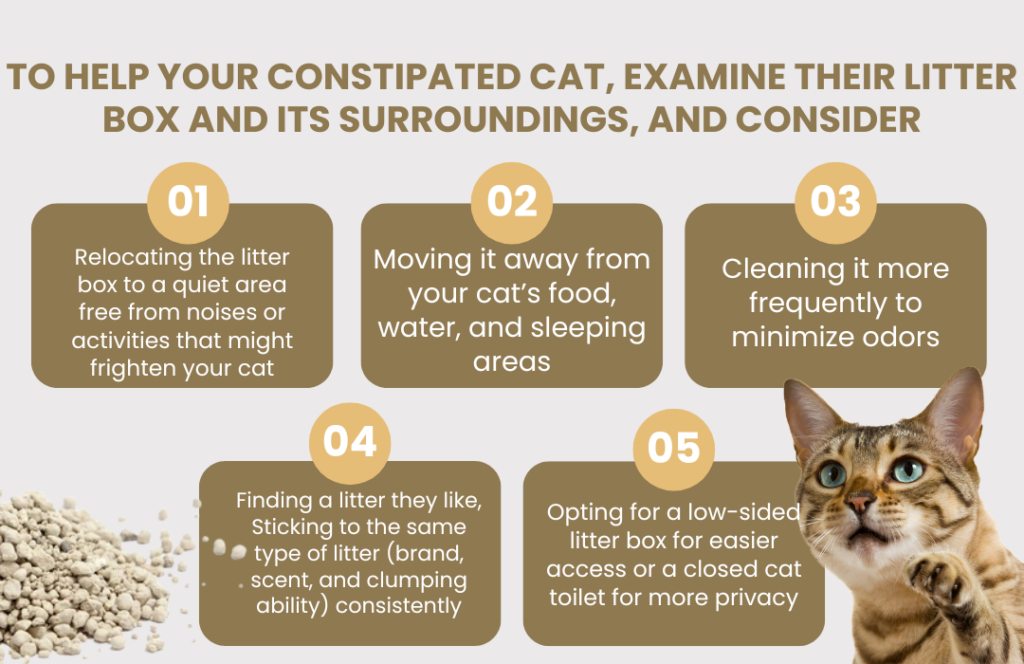
- Cat constipation can start with litter box issues. These issues include infrequent cleaning, hard-to-access boxes, new litter, or negative associations from pain or frightening noises. As a result, your cat may hold their poop instead of passing it normally.
Most of the time, cat constipation is just temporary. But if your cat is still having trouble after a while, it can turn into obstipation (chronic constipation) or can even lead to megacolon, a more serious form of chronic constipation that urgently needs a vet’s attention.
Prebiotics vs. Probiotics: What’s the Difference?
Prebiotics and probiotics for cats team up to keep their gut microbiome happy and healthy, playing a vital role in their overall well-being.
Prebiotics serve as food for the beneficial bacteria, while probiotics are the live bacteria themselves that help enhance tummy health. Together, they work like a dynamic duo for your cats tummy, helping them feel their best..
Probiotics are good bacteria that help with digestion, protect against harmful germs, and strengthen the immune system.
Prebiotics serve as nourishment for probiotics.
These water-soluble fibers pass through the small intestine undigested, reaching the colon where they nourish beneficial bacteria. When combined, prebiotics and probiotics work together to maintain a healthy balance of gut flora. Some probiotic supplements even include prebiotics to enhance their effectiveness and give your pet that extra boost.
Can Stress Can Affect a Cat’s Tummy?
Stress can really take a toll on your cat’s tummy, leading to all sorts of digestive troubles.
When your pet is feeling stressed, their body releases hormones that can throw off the balance of their microbiome, which can lead to some digestive upset.
Look out for signs like hiding, over-grooming, or changes in appetite – they can be clues your cat’s feeling a little stressed.
- Cats thrive on consistency and routine, so a new feeding time or change in routine can make them anxious.
- Moving to a new place or even rearranging furniture can be unsettling.
- Loud noises such as thunderstorms, fireworks, or even construction sounds outside can send them running for cover.
- Unfamiliar faces or a new pet can make cats feel uneasy or territorial.
- Some cats get lonely or anxious when left alone for too long.
- Cats need mental and physical stimulation, so lack of playtime or scratching posts can lead to stress.
How to Treat a Stressed or Anxious Cat
Creating a calm environment for your cat can greatly reduce the likelihood of stress-related tummy upsets.
- Create a safe space for your kitty and provide a quiet, comfortable area where they can retreat when feeling overwhelmed. This can include cat furniture and scratchers, cosy beds & blankets.
- From collars to gels, pheromone diffusers to sprays, stress & anxiety treatments can help reduce stress and promote a sense of safety, making kitty feel more relaxed and comfortable in their environment.
Long-term stress can lead to chronic issues like IBD or IBS, both of which are linked to ongoing inflammation and microbial imbalances. Keeping your cat’s stress levels low can help keep their tummy happy.

Prioritising your cat’s gut and digestive health is essential for their overall well-being, energy, and happiness. A well-functioning digestive system is important for their immune defense, nutrient absorption, and even their mood.
And lets face it, no one enjoys a grumpy cat. A happy kitty means fewer hissy fits and more cuddles.
By giving your cat the right nutrition, using digestive care products where appropriate, reducing stress, and keeping an eye out for any signs of gut issues, you can help your fabulous feline thrive.