


Arthritis and joint pain in pets aren’t as rare as you’d think.
1 in 5 dogs suffer from arthritis – however a recent study showed that over 90% of all cats show evidence of degenerative joint disease on x-rays as well.
GIVE ME THE ANSWERS DOC. HOW DO WE FIX ARTHRITIS IN PETS?
Multimodal management – full stop.
There’s no x1 simple solution. It’s a degenerative and progressive disease; and we simply have to manage many different aspects of it.
HEALTHY JOINTS IN A NUTSHELL
A joint is actually a highly metabolic organ consisting of bones, cartilage and the synovium (the lining of the inside of a joint). It also consists of nerve and muscle tissues which are there for support.
Therefore a healthy joint is maintained in a state of balance between anabolic (building up) processes and catabolic (breaking down) processes.
UNHEALHTY JOINTS IN A NUTSHELL
When the joint is diseased – whether it’s from degeneration, infection or trauma – the resulting inflammation shifts this balance towards more catabolic/destructive processes.
As the cartilage is broken down, hormones and factors which promote inflammation are released inside the joint. These cause even more inflammation and a vicious cycle ensues.
WHAT ARE COMMON CAUSES OF JOINT ISSUES?
Poor joint conformation, unstable joints and obesity add to the stresses in the joint. These make the whole situation worse.
Degenerative joint disease (DJD) is a progressive problem and cannot be reversed. This is why joint disease needs to be managed in a way where we aim to slow down the progression of disease.
We need to minimise the pain associated with arthritis; and maintain our pet’s quality of life for as long as possible.
WHAT CAUSES ARTHRITIS IN PETS?
Arthritis means “inflammation of a joint”. Fascinating fact – the word arthritis is so often used to describe a type of DJD that older animals tend to get.
It’s important to understand that there are many different causes of arthritis – not just degeneration:
INFECTION –
This can cause arthritis from bacteria entering the joint via the bloodstream or from a penetrating wound. The infection causes massive inflammation and is very painful. It can be treated with antibiotics and flushing of the joint though.
FOREIGN BODY –
It’s unnatural for a joint to have anything foreign inside it (even suture material from an operation). So, a penetrating wound, where something breaks off and stays in the joint or even surgery, causes a massive local reaction of inflammation in the joint.
In degenerative joint disease, a small piece of degenerating cartilage can break off and act as a foreign body in the joint making the arthritis even worse.
If not removed it can harden and form what we call a “joint mouse”, which ideally needs to be removed to slow down progression of the degenerative joint disease and arthritis.
TRAUMA –
Any kind of trauma such as a bone fracture extending into a joint, or a torn ligament in the joint causes massive local inflammation.
This is what happens when a cruciate ligament ruptures and why these animals show sudden limping with a swollen and painful knee.
The loss of this stabilising ligament in the knee can cause arthritis later in life as the body’s response to instability in joints is stimulating more inflammation.
OTHERS –
There are many other causes of arthritis like autoimmune disease or cancer, but we won’t discuss these for the purposes of this article.
HOW TO TREAT ARTHRITIS IN PETS
It’s important to remember that once a joint has been inflamed – for whatever reason – that joint has undergone catabolic/breaking down processes and this inflammation can still progress despite the cause(s) being removed.
If a dog has ruptured a cruciate or had an infection in the joint which was operated on or treated successfully, there was still a release of hormones and factors which caused damage to the cartilage and synovium.
So basically this means that that dog may still develop joint disease in the future BUT it will progress much slower if the ligament has been fixed or infection has been cleared than an untreated joint would have.
LET’S GET DOWN TO THE NITTY GRITTY OF TREATING ARTHRITIS AND DEGENERATIVE JOINT DISEASE
Degenerative joint disease cannot be cured, but it can be managed. The animal’s joints will deteriorate as it gets older and unfortunately, there is no single way of managing this progressive disease.
Studies have shown that the leading cause of death in dogs is due to euthanasia from loss of quality of life stemming from arthritis. This outweighed euthanasia due to any other disease like kidney disease, heart disease or cancer. Spine-chilling right?
This makes the threat of arthritis a very real one and something we need to pay more attention to.
6 STEPS YOU CAN TAKE TO MANAGE ARTHRITIS IN PETS
STEP 1 –
Done…
Educating yourself about your pet’s condition is the foundation of effective multimodal management.
Understanding that the disease is a life-long problem and the importance of pain control and maintaining quality of life is the first step in managing your pet’s arthritis.
STEP 2 –
Weight Loss and Maintaining a Lean Body Mass
The importance of weight management cannot be stressed enough. The heavier the animal, the more stress is being put on the animal’s joints. The more the stress in the joints the more inflammatory mediators released and the more inflammation … and so on … and so on.
With 50% of dogs aged 5 – 10 years being overweight and 30% of all dogs being overweight, we are dealing with an epidemic. True story.
AND IT’S NOT JUST THE DOGS …
A study done in the USA in 2017 reported that 60% of cats were classified as overweight or obese. Shocking!
A compounding factor is that as cats age and their joints deteriorate, they choose to limit their movement or “slow down”. This makes them pick up even more weight as they don’t use the energy that they get from eating their food.
However obesity in pets not only affects joints. Fat tissue is actually a metabolic organ which releases inflammatory products into the bloodstream. Therefore an obese animal is actually in a state of inflammation.
Animals who are obese and overweight are also more likely to get diabetes, high blood pressure, kidney disease and some types of cancers. In humans, obesity has also been linked to inflammation in areas of the brain and possibly degeneration.
Did you know that a 5.4kg Yorkie is the same as a 99kg average-height woman? And a 6.3kg cat is the same as a 107kg average-height man? Have a look at petobesityprevention.org to see how your pet compares.
CHOOSING A WEIGHT LOSS DIET
There’s new evidence which links genetics to obesity in dogs. Certain breeds or individual dogs that are highly food motivated have been proven to be more likely to be obese in their lifetime.
If you can identify that your dog is highly food motivated (or greedy) then you know that your dog is at risk.
Choose a diet which aims to maintain satiety – keeping them feeling fuller for longer.
Allow outlets for food seeking behaviour with treat toys that help keep your occupied and happier.
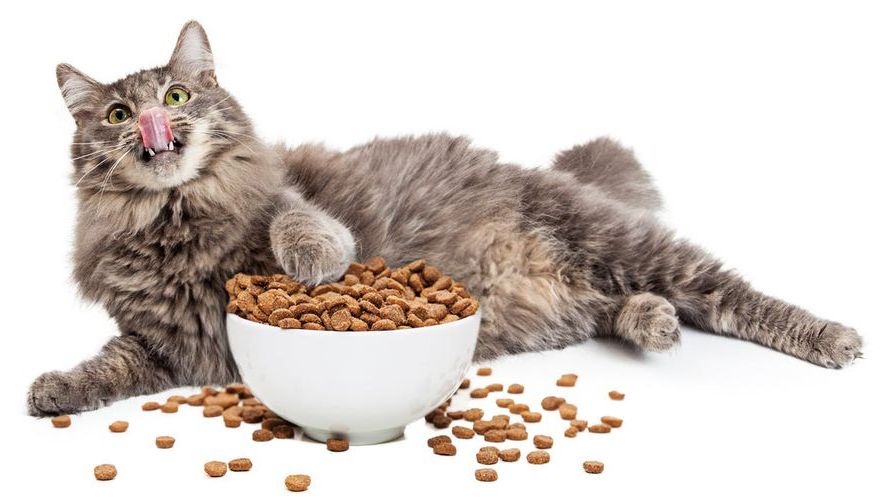
When it comes to our food-loving felines, the same goes. We want to maintain them at a healthy weight with a calorie restricted diet and no snacks. Consider popping their food in a treat toy too.
Check out these weight management diets for dogs and cats.
If your pet is more than 10% overweight, you may need to feed them a special diet recommended by your vet. Chat to the about Royal Canin Satiety for dogs and cats.
IS THE DIET WORKING?
We aim for weight loss of 1-2% of body weight per week. The best way to accomplish this is to get your vet on board.
Try joining a weight loss program for your pet. The weekly weigh-ins and assessments will allow your vet to increase or decrease the amounts you must feed to stay on track.
In general, it’s advised to reweigh the patient after 10-14 days of being on a diet and decrease by 10% if not working or increase the amount slightly if the weight loss is too drastic.
STEP 3 –
Active Lifestyle
Less active animals lose muscle mass just the same way we do when we laze around on the couch instead of getting up and moving. We know that strong muscles stabilise joints so regular exercise is an important part of managing arthritis.
Low impact exercises like controlled leash walks and swimming have the effect of muscle building with less stress on joints. Steer clear of hard impact exercise to minimise the forces on those already compromised joints.
Not only will this improve your dog’s health but also your own health and fitness, not to mention the positive impact that one-on-one time will have on your relationship with your dog.
If your cat is leash-trained, fantastic! Otherwise, environmental enrichment and stimulating playing/hunting behaviour will help get your feline burning some of those unwanted calories.
STEP 4 –
Physical Rehabilitation and Therapeutic Exercises
Rehabilitation and physiotherapy are extremely beneficial when it comes to multimodal management. Not only can we strengthen muscles and minimise pain, but the exercise helps manage weight and provides stability in the joints.
Rehabilitation practitioners use many different modalities to help treat a dog or cat with chronic arthritis, but here are a few things you can do at home:
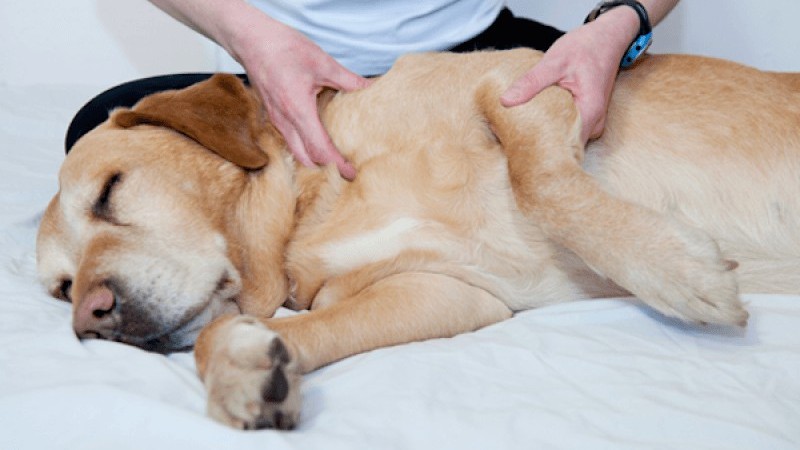
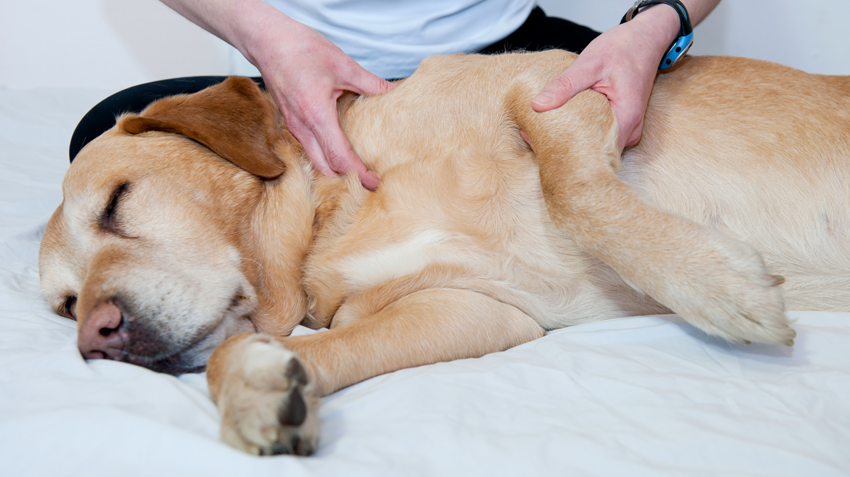
GENTLE MASSAGE – This is a good means of promoting blood flow to tense muscles. It’s important to massage very lightly and if you aren’t sure, ask your rehabilitation practitioner.
They are more experienced in this type of therapy so ask them to give you some pointers and which muscles you should/shouldn’t massage.
WARM PACKS / HEATING PADS – Use these to ease pain in the joints especially during the winter months.
NOTE
it’s VERY important not to have the packs directly on the animal’s body and make sure it is not too hot – if it burns you, it will burn your pet. Cover the warm pack with a towel or blanket to make sure your pet doesn’t get burnt.
EXERCISE – There are specific exercises and types of therapeutic exercises that can be prescribed for your pet by a qualified rehabilitation practitioner. What you can go for your dog is controlled leash walking and swimming to build muscle and stabilise joints.
It is important not to overdo it though. Start with short workouts and gradually increase the amount of exercise your dog does.
To find a rehabilitation practitioner in your area visit South African Animal Physical Rehabilitation Association
STEP 5 –
Dietary Management and Supplementation
Imagine a drug which could prolong your pet’s life by 2 years and that delays the onset of osteoarthritis …
Well, you don’t have to because you can do that without a drug.
Maintaining a healthy weight and strong, lean muscles in our dogs HELP delay the onset of arthritis.
But once your pet already has arthritis it is still important to be vigilant when it comes to their diet and their weight.
Maintaining lean muscle mass with high quality nutrition and regular, moderate exercise helps stabilise the joints. Strong muscles form an external support system for the joints.
Remember – the more stable the joints, the less inflammation in them.
High quality animal-based proteins, complete with all the essential amino acids help nourish their muscles. Along with high levels of omega 3 fatty acids from fish, namely EPA and DHA, help to decrease inflammation in their joints and ease pain.
EPA, a long chain omega 3 fatty acid, found performed in fish oil, is the most effective fatty acid when it comes to joint health and slowing down the progression of arthritis.
It helps decrease cartilage destruction by blocking the production of harmful enzymes and it is broken down by the body into anti-inflammatory products. DHA increases the release of the happy-hormones known as endorphins and decreases pain levels and inflammation in the joints too. These fatty acids are most effective if taken in daily. They also help fight inflammation in the skin. What a bonus!
It’s important to remember that with supplementation, we are adding extra fats so be careful as this adds to the number of calories your pet is taking in a day. We know the importance of obtaining and maintaining an ideal weight in dogs with arthritis, so you can avoid this hassle by choosing a diet higher in omega 3 fatty acids from fish to give them the essential omega 3 fatty acids they need. This keeps your pet’s diet complete and balanced.
Glucosamine, Chondriotin Sulphate and MSM found in joint supplements (like GCS) can also be given to your pet, bearing in mind that joint specific diets contain many of these additives already. They aren’t harmful substances and have shown some benefits so are definitely worth a try.
STEP 6 –
Anti-inflammatories and pain control
NSAIDS – non-steroidal anti-inflammatories are the first step in effective pain control for arthritis.
They help to decrease inflammation in the joints – BUT – these NSAIDS have been given a very bad reputation. Especially due to their side effects that tend to arise with long-term use. The key here is to work together with your vet to find the lowest possible dose of medication that is effective for managing pain and inflammation. With regular blood tests and reassessment of your pet’s pain, you may be able to use these drugs effectively. However, unfortunately these aren’t an option for some pets.
There are other pain control options that your vet can prescribe to use with or instead of NSAIDS. These include certain opiod-type drugs, like Tramahexal, or drugs which block the conduction of pain signals to the brain, like Gabapentin.
It’s important to note that all drugs have side effects. So blood tests are advised when your animal is receiving chronic medication to make sure that their kidneys and liver are not taking strain. Your vet will be able to decide what the best form of pain control is for your pet.

THE IMPORTANCE OF PAIN MANAGEMENT
Mammals have similar neurological and pain pathways. Naturally – just like we’d want to be pain-free of pain – so would our pets.
Pain is dynamic though. It changes and progresses – meaning your pet needs to be reassessed and their dosages adjusted. Especially as their arthritis worsens, like during colder months or as their joint disease deteriorates.
PAIN DETECTION IN PETS
Dogs in pain are generally easier to detect than cats. They’re awake for 14 hours of the day and spend a lot of time running, playing and interacting with humans.
You can always spot signs of pain though Some of these signs include crying, becoming aggressive (when touched in certain areas), unwillingness to play, changes in behaviour (like limping or difficulty rising), decreased appetite, rapid breathing, panting and an inability to settle.
Cats are in pain tend to act like their wild ancestors did. They retreat, hide and avoid drawing attention to themselves.
Thus it’s very difficult to know whether cats are in pain or not – for vets and cat-parents alike.
If you’re a cat-parent, here are some questions you can ask yourself:
- Has there been a decrease in activity levels or change in my cat’s behaviour?
- Is my cat less interested in eating or drinking than usual?
- Is my cat having difficulty in walking, standing or jumping
- Does my cat groom a lot less or has my cat stop grooming altogether?
- Are there any changes in my cat’s eliminatory behaviour? (Urinating or defecating inappropriately can be due to pain in the back or hips).
THERE YOU HAVE IT – NOT SO SIMPLE – BUT VERY DOABLE
We want our pets to be as healthy as possible. Most pets will have some evidence of joint disease in their later years. Thus the management of arthritis is no less important than managing any other health issue your pet may have.
If you feel like there may be a problem – then trust your gut! Especially when it comes to cats.
We want our pets to live their best life and if that’s chasing the ball, fetching a stick from the ocean or sleeping at your feet while you work.